Introduction
An emergency lighting system is a critical part of building safety systems. Emergency lights provide illumination when the main power supply fails, allowing people to safely exit the building during power outages, fire incidents, or emergency situations.
Emergency lighting is required in commercial buildings, offices, hotels, hospitals, shopping malls, schools, and residential buildings to ensure safety and compliance with building regulations.
What is an Emergency Lighting System?
An emergency lighting system is a backup lighting system that automatically turns on when the main power supply fails. These lights help people see exit routes, stairs, corridors, and emergency exits during power failures.
Emergency lighting systems usually include:
- Emergency lights
- Exit signs
- Emergency drivers
- Central battery systems
- Emergency control systems
- Test and monitoring systems
Emergency lighting is an essential part of building safety design.
Types of Emergency Lighting
There are several types of emergency lighting used in buildings.
1. Emergency Escape Lighting
This type of lighting helps people safely exit a building by illuminating escape routes such as corridors, stairs, and exit doors.
2. Emergency Exit Signs
Exit signs indicate the direction of emergency exits and must remain visible during power failure.
3. Emergency Open Area Lighting
This lighting is used in open areas such as halls, lobbies, and large rooms to prevent panic and allow safe movement.
4. High-Risk Task Area Lighting
This lighting is used in areas where dangerous equipment is used and must be safely shut down during power failure.
Emergency Lighting System Types by Power Source
Emergency lighting systems can be classified based on the power source.
Self-Contained Emergency Lights
Each light has its own battery and emergency driver.
Central Battery System
All emergency lights are connected to a central battery system.
Generator Backup System
Emergency lighting is powered by a generator during power failure.
Emergency Lighting Standards
Emergency lighting systems must comply with international standards and safety regulations. Some common emergency lighting standards include:
- EN 1838 Emergency Lighting Standard
- BS 5266 Emergency Lighting Code
- IEC Emergency Lighting Standards
- Local building safety regulations
Proper emergency lighting design must follow these standards to ensure safety.
Emergency Lighting Design Considerations
When designing an emergency lighting system, several factors must be considered:
- Escape route illumination levels
- Emergency lighting duration (usually 1–3 hours)
- Battery type and capacity
- Emergency test system
- Maintenance access
- Exit sign locations
- Staircase lighting
- Corridor lighting
- Open area lighting
- Compliance with standards
Emergency lighting design is an important part of building electrical and lighting design.
Emergency Lighting and Lighting Control Systems
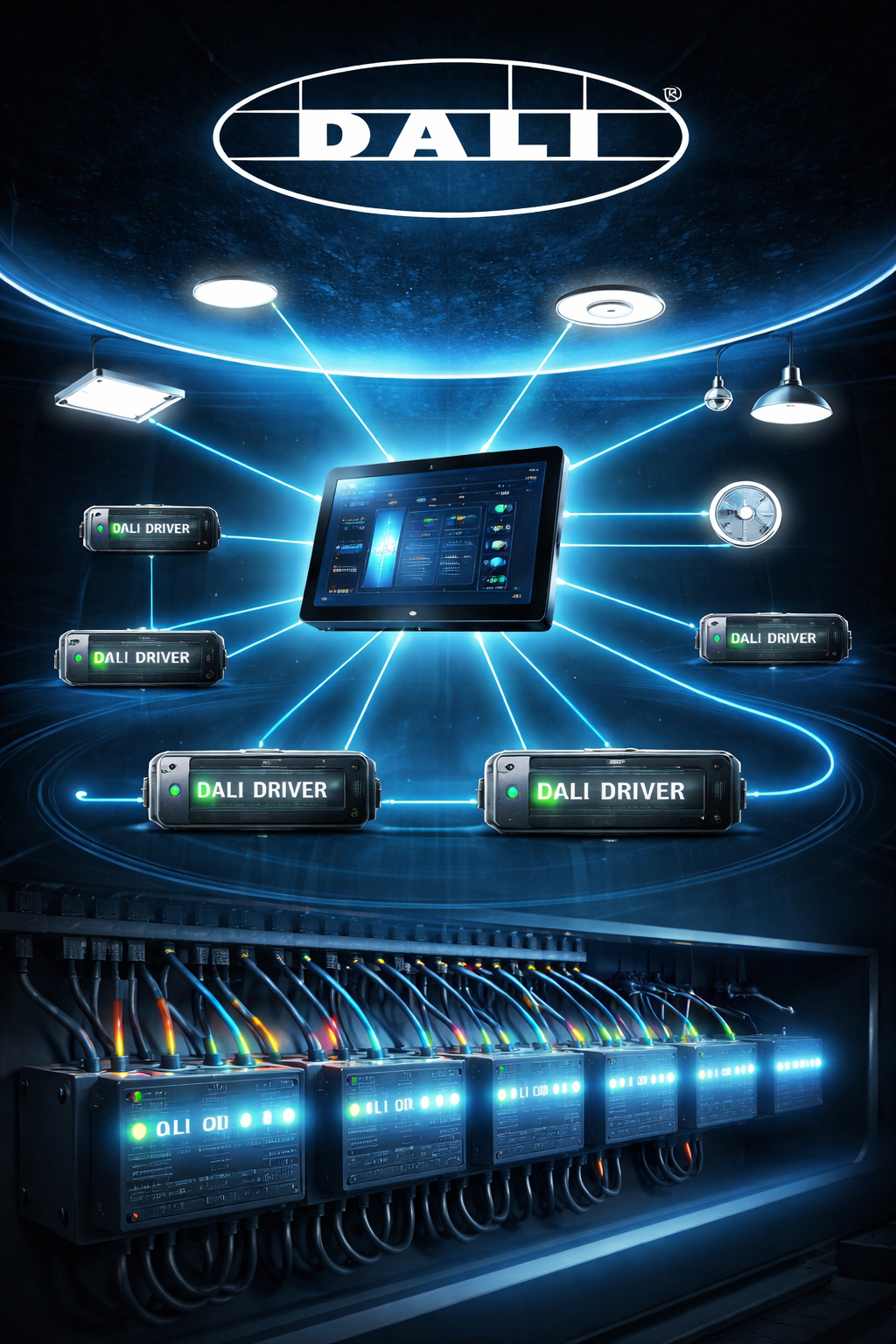
Modern emergency lighting systems can be integrated with lighting control systems such as DALI emergency control systems. This allows monitoring, automatic testing, and fault detection for emergency lights.
DALI emergency systems are commonly used in commercial and smart buildings.
Conclusion
Emergency lighting systems are essential for building safety and emergency evacuation. Proper emergency lighting design ensures safe evacuation, compliance with safety regulations, and reliable operation during power failures.
Emergency lighting should be carefully designed and maintained in all commercial and public buildings.