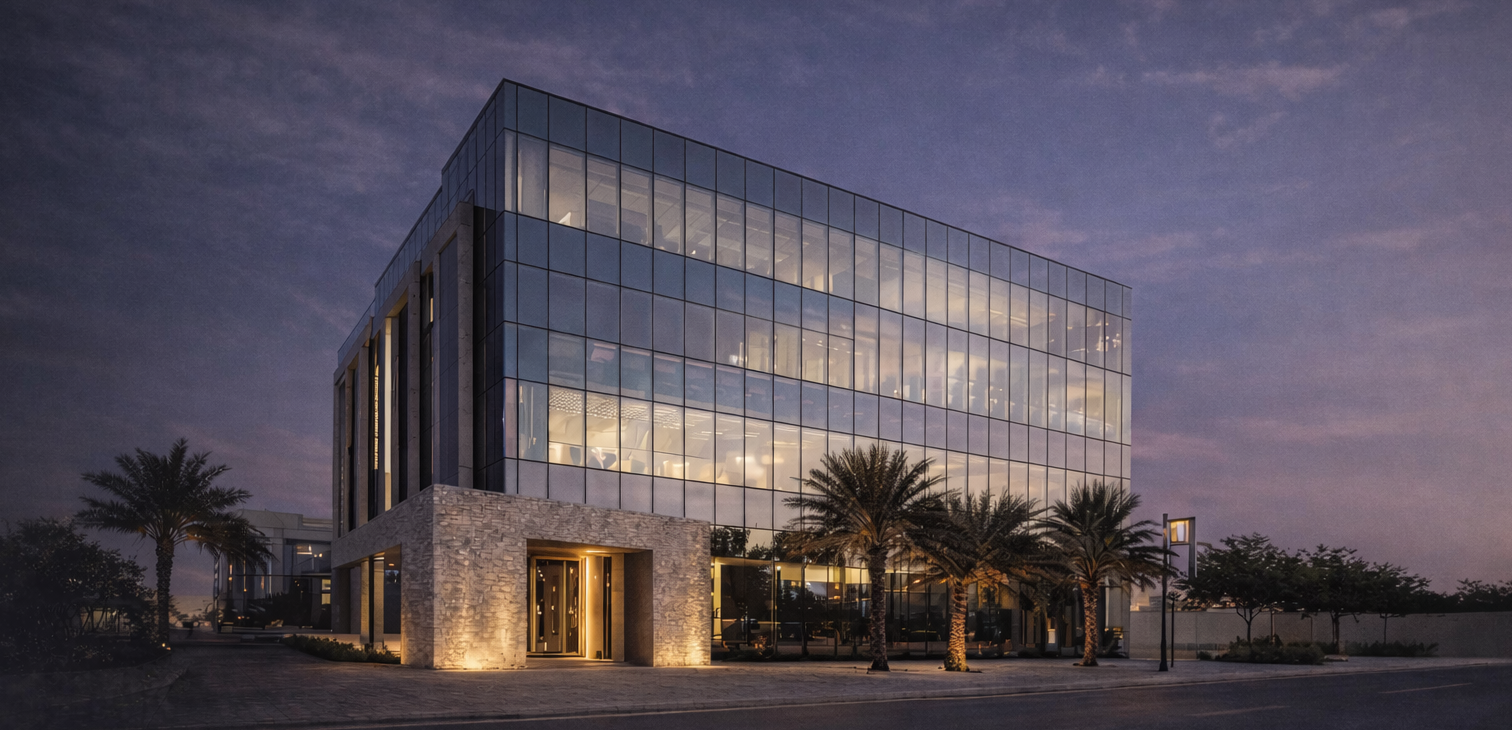
Lighting Layers in Lighting Design
Introduction
Lighting design is not only about selecting light fixtures and placing them in a space. Professional lighting design is based on lighting layers. Lighting layers help create balanced illumination, visual comfort, functionality, and aesthetic appearance in a space.
In modern lighting design, designers usually divide lighting into different layers to achieve the best lighting quality and user experience. Lighting layers are very important in residential, commercial, architectural, and landscape lighting projects.
What Are Lighting Layers?
Lighting layers refer to the different types of lighting used together in a space to create a balanced and functional lighting design. Instead of using only one type of light, designers combine multiple lighting layers such as ambient lighting, task lighting, accent lighting, and decorative lighting.
Using lighting layers improves:
- Visual comfort
- Functionality
- Aesthetic appearance
- Flexibility
- Energy efficiency
- Lighting control options
Lighting layers are one of the most important concepts in lighting design.
Main Lighting Layers
There are four main lighting layers used in lighting design.
1. Ambient Lighting
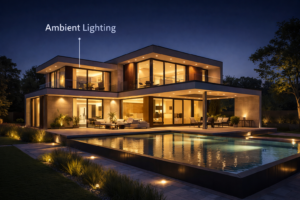
Ambient lighting is the general lighting of a space. It provides overall illumination and ensures that the space is bright enough for general use.
Ambient lighting can be provided by:
- Downlights
- Ceiling lights
- Cove lighting
- Indirect lighting
- Linear lights
- Panel lights
Ambient lighting is the base layer of lighting design.
2. Task Lighting
Task lighting is used for specific activities such as reading, cooking, working, or office tasks. Task lighting provides focused illumination where more light is needed.
Examples of task lighting:
- Desk lights
- Under cabinet lights
- Reading lights
- Mirror lights
- Office lighting
- Kitchen lighting
Task lighting improves visibility and productivity.

3. Accent Lighting
Accent lighting is used to highlight architectural elements, textures, artwork, walls, plants, or design features. Accent lighting creates contrast and visual interest in a space.
Accent lighting examples:
- Wall washers
- Spotlights
- Track lights
- Landscape spotlights
- Facade lighting
- Display lighting
Accent lighting is very important in architectural lighting design.
4. Decorative Lighting
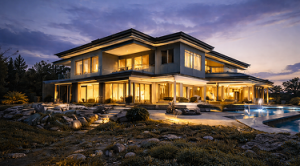
Decorative lighting includes chandeliers, pendant lights, decorative fixtures, and feature lights. Decorative lighting adds aesthetic value and visual interest to the space.
Decorative lighting is often used in:
- Living rooms
- Dining areas
- Hotel lobbies
- Restaurants
- Villas
- Commercial spaces
Decorative lighting is both lighting and design element.
Why Lighting Layers Are Important
Using lighting layers in lighting design has many advantages:
- Creates balanced lighting
- Improves visual comfort
- Enhances architectural design
- Provides flexibility
- Allows scene control
- Improves energy efficiency
- Makes spaces more attractive
- Improves user experience
- Works well with lighting control systems
- Allows dimming and scene settings
Professional lighting design always uses multiple lighting layers.
Lighting Layers and Lighting Control Systems
Lighting layers work very well with lighting control systems such as DALI lighting control and smart lighting systems. Each lighting layer can be controlled separately, dimmed, or included in lighting scenes.
For example:
- Ambient lighting at 70%
- Accent lighting at 40%
- Decorative lighting at 100%
- Night scene with only indirect lighting
Lighting layers and lighting control systems together create flexible and intelligent lighting systems.

Conclusion
Lighting layers are one of the most important principles in professional lighting design. By combining ambient, task, accent, and decorative lighting, designers can create comfortable, functional, and visually attractive spaces.
Whether for villas, commercial buildings, offices, or architectural projects, using lighting layers is essential for high-quality lighting design.